
Bad breath can make everyday conversations feel uncomfortable. You may worry about speaking closely to someone, covering your mouth when you laugh, or whether other people notice an unpleasant smell. If you have tried mints, mouthwash, or brushing more often without lasting results, it is understandable to feel frustrated.
The good news is that persistent bad breath—also called halitosis—often improves when you identify and treat its underlying cause. There is no single remedy that works for everyone, and no product can honestly promise a permanent cure in every case. The most reliable approach is to improve oral care, address dental problems, and seek professional advice when the smell continues.
If you are searching for how to get rid of bad breath permanently, start with the steps below rather than relying on a quick fix. This guide explains practical, evidence-based ways to manage bad breath and reduce the chance of it returning.
How to Get Rid of Bad Breath Permanently: Start by Finding the Cause
Before buying a new product, try to understand why your breath smells unpleasant. In many cases, the odor comes from bacteria on the tongue, between the teeth, or around the gums. These bacteria break down food particles and release smelly compounds. Plaque, tooth decay, gum disease, and poorly cleaned dental appliances can all contribute.
Dry mouth is another common cause. Saliva helps wash away food debris and keeps the mouth balanced. When you produce less saliva, odor-causing material can build up more easily. Dry mouth may occur during sleep, when you breathe through your mouth, when you are dehydrated, or as a side effect of certain medicines.
Foods such as garlic and onions can temporarily affect breath, as can smoking and alcohol. In some people, tonsil stones, sinus problems, postnasal drip, or acid reflux may play a role. Less commonly, a medical condition may contribute.
If bad breath keeps returning despite careful cleaning, do not assume you simply need a stronger mouthwash. A dentist can check for gum disease, cavities, infection, and other oral causes. If your mouth appears healthy, your healthcare professional can help assess possible non-dental causes. The NHS guide to bad breath and Mayo Clinic’s treatment advice both recommend seeking dental advice when self-care does not resolve persistent bad breath.
How to Get Rid of Bad Breath Permanently With Daily Oral Care
A consistent oral hygiene routine is the foundation of fresher breath. The goal is to remove the bacteria and debris that cause odor, rather than simply covering the smell.
1. Brush twice a day for two minutes.
Use a soft-bristled toothbrush and fluoride toothpaste. Clean all tooth surfaces gently, including the gumline. Brushing too hard can irritate your gums and will not make your teeth cleaner. Replace a worn toothbrush or brush head regularly.
2. Clean between your teeth every day.
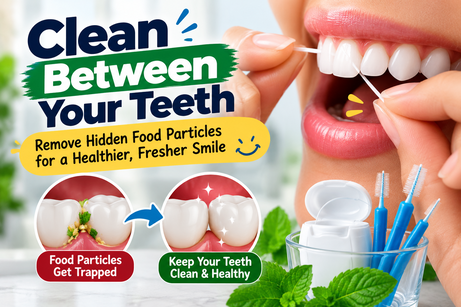
A toothbrush cannot reach every tight space. Dental floss or interdental brushes can remove trapped food and plaque from between teeth, where odor-causing bacteria may thrive. Choose the option that fits your teeth and ask a dentist to show you the correct technique if needed.
3. Clean your tongue gently.
The rough surface of the tongue can collect bacteria and debris, especially toward the back. Use a tongue scraper or your toothbrush once a day, moving gently from back to front. Stop if the process causes pain or bleeding; aggressive scraping is unnecessary.
4. Keep dental appliances clean.
If you wear dentures, retainers, aligners, bridges, or a mouthguard, clean them according to the manufacturer’s or dentist’s instructions. Removable dentures generally need to be cleaned daily and taken out at night unless your dentist advises otherwise.
5. Do not rinse away toothpaste immediately.
After brushing, spit out the excess toothpaste rather than rinsing your mouth with water straight away. This helps fluoride remain on your teeth for longer.
These simple habits can make a meaningful difference, but they may not resolve bad breath caused by untreated tooth decay, gum disease, or another health issue.
How to Get Rid of Bad Breath Permanently by Preventing Dry Mouth
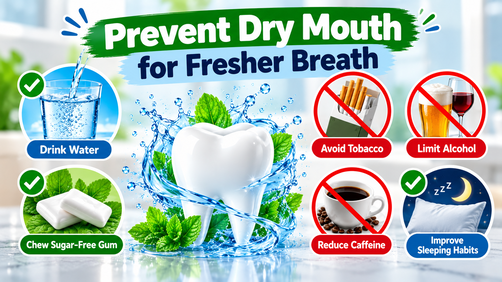
When your mouth feels dry, your breath may become less fresh because saliva is not washing away food particles as effectively. Sip water throughout the day, particularly after exercise or when you have been in a hot environment. Sugar-free gum can stimulate saliva flow if you are able to chew it safely.
Try to limit tobacco and avoid excessive alcohol. Too much caffeine may worsen dryness for some people, so notice whether coffee or other caffeinated drinks affect your symptoms. If you often wake with a dry mouth, consider whether you sleep with your mouth open or have persistent nasal congestion.
Do not stop a prescribed medicine on your own if you suspect it is causing dry mouth. Ask your doctor or pharmacist whether it could be a side effect and whether an alternative or dry-mouth treatment is appropriate. Ongoing dry mouth deserves attention because it can increase the risk of cavities and oral discomfort.
How to Get Rid of Bad Breath Permanently: Choose Mouthwash Carefully
Mouthwash can be useful, but it should support brushing and flossing—not replace them. Some rinses mainly mask odor for a short time, while others contain ingredients intended to reduce bacteria or help manage specific oral problems.
If you use mouthwash, follow the label and ask your dentist which type is suitable for you. Some products may irritate the mouth or be unsuitable for particular users. Avoid using a rinse as a reason to skip cleaning between your teeth or your tongue.
Persistent bad breath is not a sign that you need to keep trying stronger products. If the odor returns soon after rinsing, the underlying cause may still be present. A dental examination is more useful than repeatedly switching products without knowing what is causing the problem.
How to Get Rid of Bad Breath Permanently by Treating Dental Problems
Sometimes home care is not enough because the source of the odor needs professional treatment. Gum disease may cause persistent bad breath, bleeding when brushing, swollen gums, or a lasting unpleasant taste. Tooth decay, a dental abscess, and food trapped around dental work can also contribute.
A dentist may recommend a professional cleaning to remove hardened plaque (tartar), treatment for gum disease, or care for a cavity or infection. If you have dentures or other dental appliances, they can check whether they fit properly and explain how to clean them.
Do not ignore bleeding gums, toothache, loose adult teeth, swelling, or a persistent bad taste. Arrange a dental appointment if you notice these symptoms. Facial swelling with fever, difficulty swallowing, or difficulty breathing needs urgent medical attention.
If your dentist cannot find an oral cause, ask whether another assessment is needed. Tonsil stones, chronic sinus or throat problems, reflux, and some medical conditions can be associated with bad breath. Treatment depends on the cause, so an accurate assessment matters more than a one-size-fits-all solution.
Read More: How to Improve Oral Microbiome Naturally →How to Get Rid of Bad Breath Permanently by Changing Daily Habits
Garlic, onions, and some strongly flavored foods can temporarily change the smell of your breath. You do not necessarily need to avoid them completely; drinking water, eating a balanced diet, and cleaning your mouth can help manage temporary odor.
Frequent sugary snacks and drinks encourage tooth decay, while smoking and other tobacco use can cause unpleasant breath and raise the risk of gum disease. Crash dieting or fasting can also change breath odor for some people. A balanced eating pattern and regular meals may help, depending on the reason for the smell.
Alcohol can contribute to dryness, and smoking may reduce saliva and worsen gum health. If you use tobacco, getting support to quit can benefit your breath as well as your overall health.
How to Get Rid of Bad Breath Permanently: Can Dental Probiotics Help?
Dental probiotics are supplements containing selected live microorganisms that are being studied for their potential to support a healthier balance of bacteria in the mouth. Some strains have shown promise for particular oral health outcomes, including certain causes of bad breath, but the evidence is still developing and results vary by strain and product.
Dental probiotics are not a guaranteed cure, and they cannot treat cavities, gum infections, or other conditions that need dental care. If you are considering an oral probiotic, check the listed strains, ingredients, serving directions, and manufacturer information. Be cautious of products that promise instant results or claim to eliminate every cause of bad breath.
Ask a dentist or healthcare professional whether a supplement makes sense for your situation, particularly if you have an underlying health condition or a weakened immune system. Use supplements only as an addition to good oral care, not as a replacement for it.

ProDentim
- Supports healthy teeth & firm gums
- Advanced oral probiotic blend
- Maintains long-lasting fresh breath
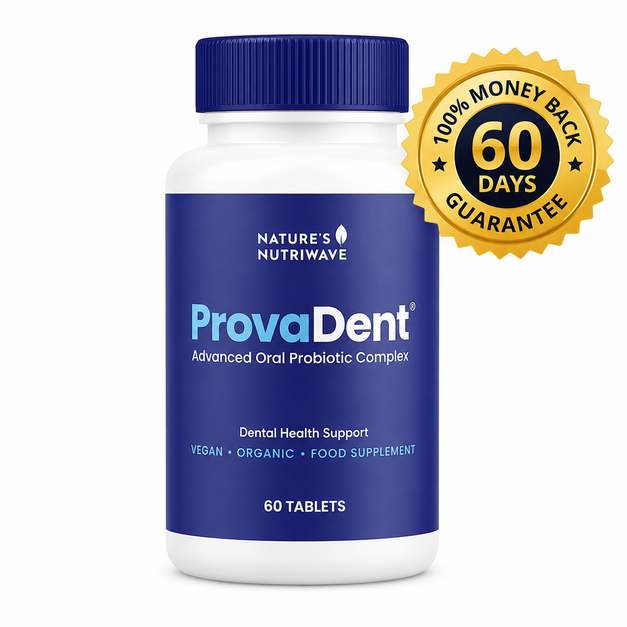
ProvaDent
- Supports oral wellness and microbiome
- Contains natural probiotic strains
- Promotes a cleaner, fresher mouth
Want to try a chewable oral probiotic?
Check out ProDentim Review to find out more.How to Get Rid of Bad Breath Permanently: When to See a Dentist
Book a dental appointment if bad breath continues for a few weeks despite brushing, cleaning between your teeth, cleaning your tongue, and staying hydrated. You should also seek advice if you have painful, swollen, or bleeding gums; toothache; loose adult teeth; or problems with dentures.
A dentist can assess your teeth, gums, tongue, and dental appliances, and may recommend further evaluation if the cause appears to be outside the mouth. Persistent symptoms deserve attention, even if you do not have pain.
Remember that the aim is not to hide the smell temporarily. It is to identify the cause, treat it appropriately, and maintain habits that help prevent it from returning.
A Simple Daily Plan for Fresher Breath
Morning: Brush for two minutes with fluoride toothpaste and gently clean your tongue.
After meals: Drink water. If food is stuck between your teeth, clean the area with floss or an interdental brush when practical.
Evening: Clean between your teeth, brush thoroughly, and clean any dental appliances as directed.
Every day: Stay hydrated, limit tobacco and excess alcohol, and pay attention to persistent dry mouth or gum symptoms.
Regularly: Keep up with dental checkups and professional cleaning as recommended for your needs.
Following these steps consistently is more helpful than relying on breath mints alone. If you do not see improvement, arrange an assessment rather than blaming yourself or continuing to experiment with products.
Explore Dental Care Supplements at Supplements Saver
Good oral care starts with daily habits and professional dental advice when needed. Some people also explore oral health supplements, including dental probiotics, as an additional part of their routine. The right choice depends on the product, its ingredients, the evidence behind its claims, and your individual needs.
At Supplements Saver, you can explore our Dental Health page to discover a range of dental care supplements and review product information before deciding whether something is suitable for you. If you choose to purchase, check the product details and seller’s policies on the destination website. Some links may be affiliate links, which means we may earn a commission at no extra cost to you.
If bad breath is persistent, start by identifying the cause with a dentist. Supplements may offer additional support in some situations, but they are not a substitute for treating dental problems or maintaining a consistent oral care routine.
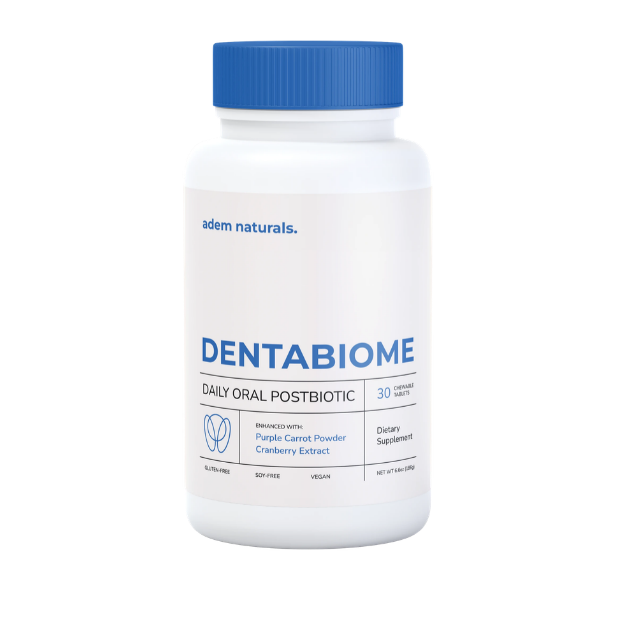
Dental Biome
- Targeted oral flora support
- Promotes gum health & defense
- Assists long-term breath freshness
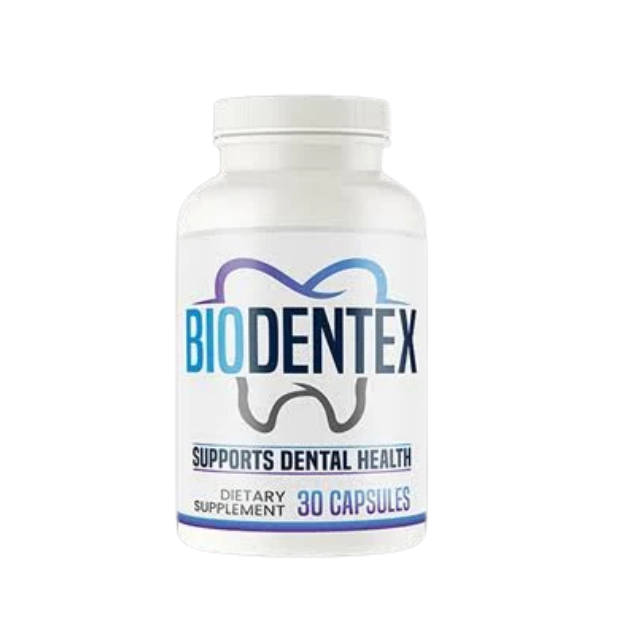
Biodentex
- Advanced enamel & root support
- Helps neutralize mouth acids
- Natural ingredients for oral vitality
Looking for more specialized oral care options?
Dental Probiotics